



Indonesia is reviewing more than 100 nominations for state service medals and honorary distinctions, highlighting institutional recognition and the country’s approach to acknowledging public contributions.
Indonesia is reviewing more than 100 proposed names for state service medals and honorary distinctions, placing the country’s institutional framework for recognizing public contributions in focus.
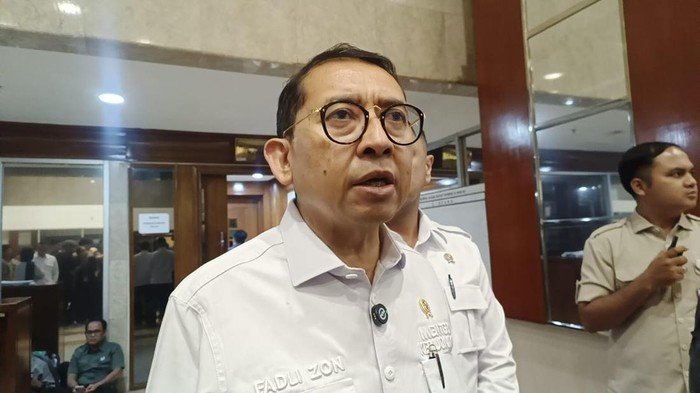
The proposals were discussed during a meeting between President Prabowo Subianto and Culture Minister Fadli Zon in Hambalang, Bogor, on September 1, 2026. Fadli attended the meeting in his capacity as Chairman of the Council for Titles, Services and Honors and reported nominations submitted by ministries, government institutions and members of the public.
According to Fadli, the proposed figures come from a range of professional and social backgrounds, including artists, cultural figures, medical professionals and individuals involved in various public-service activities. He emphasized that the proposals concern state service medals and honorary distinctions and are separate from the National Hero designation process.

The distinction between nomination and final recognition is significant. The more than 100 names are not yet a confirmed list of recipients. The proposals are to be considered further by the President, with any final determination carried out in accordance with applicable laws and regulations.
Recognition and Institutional Reputation
For an institution or government, a system of state recognition can also serve as part of the formal record of national contribution. It establishes a mechanism through which achievements and public service can be brought into an official framework rather than remaining solely within informal or community-based recognition.
Indonesia’s approach places the Council for Titles, Services and Honors within that institutional process. The council examines and considers proposals before they become material for presidential decision-making. This structure creates a distinction between the initial nomination, institutional assessment and the eventual state decision.
From an international perspective, such procedures can also contribute to how a country’s governance practices are understood. A formal recognition system communicates that public honors are connected to defined institutional procedures rather than simply to public visibility.
This becomes particularly relevant when nominees come from diverse sectors. Contributions in culture, healthcare, public service and other professional fields can carry different forms of social value, requiring an institutional process capable of considering different types of service within a common legal framework.
Beyond the Ceremony
State honors are often associated with formal ceremonies and public recognition. Yet the process preceding a ceremony is equally important in understanding the significance of an award.
The current Indonesian review illustrates that distinction. More than 100 nominations have entered the consideration process, but their status remains subject to further examination. The eventual recipients, if determined, will therefore represent the outcome of a process rather than the number initially proposed.
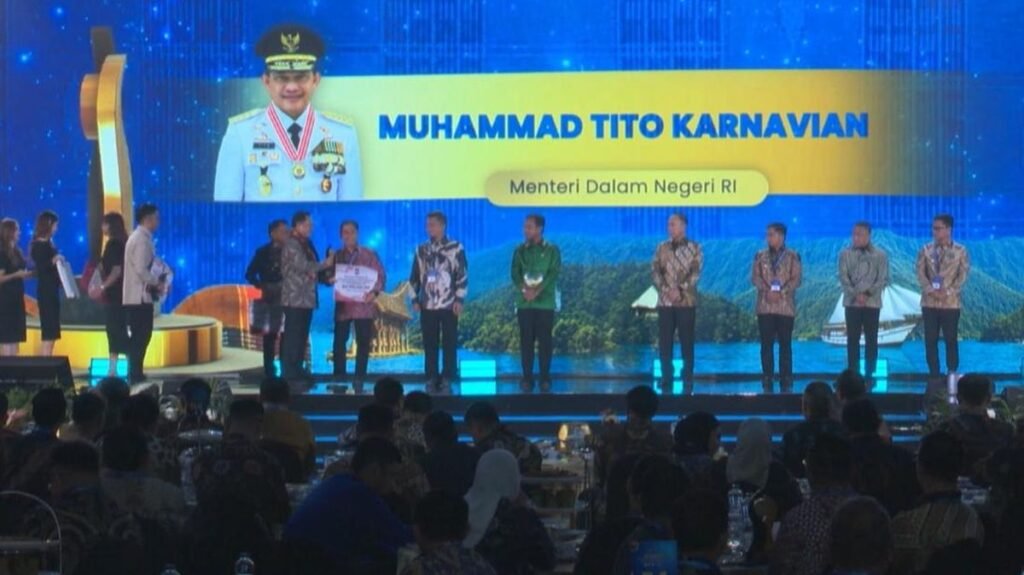
Indonesia has previously used state honors to recognize contributions across different areas. In 2025, for example, the government announced the conferral of several categories of honorary distinctions to figures from public service, culture, security and other fields.
Such precedents provide context for the current discussion while also demonstrating why individual cases need to be understood according to the legal and institutional framework applicable at the time of each award.
An International Reputation Perspective
For Indonesia’s international profile, institutional consistency can matter alongside the recognition of individual contributions. State honors form part of the broader architecture through which governments record national service and acknowledge contributions considered significant.
The current process therefore provides an example of how Indonesia manages formal recognition across a diverse society. It brings nominations from government institutions and communities into a structured process involving the Council for Titles, Services and Honors and, ultimately, presidential consideration.
The process also reinforces the importance of separating official decisions from preliminary proposals. Until the relevant procedures are completed, the more than 100 names remain nominations rather than confirmed recipients.
For international observers, the development offers a snapshot of Indonesia’s approach to public recognition: broad in the range of potential contributors, but subject to institutional review and the applicable legal framework.
As the review progresses, attention will remain on the formal outcome and the criteria applied to each nomination. Whatever the eventual list, the process itself demonstrates the role of state recognition in documenting public service and maintaining an institutional record of contributions to Indonesian society, the nation and the state.