
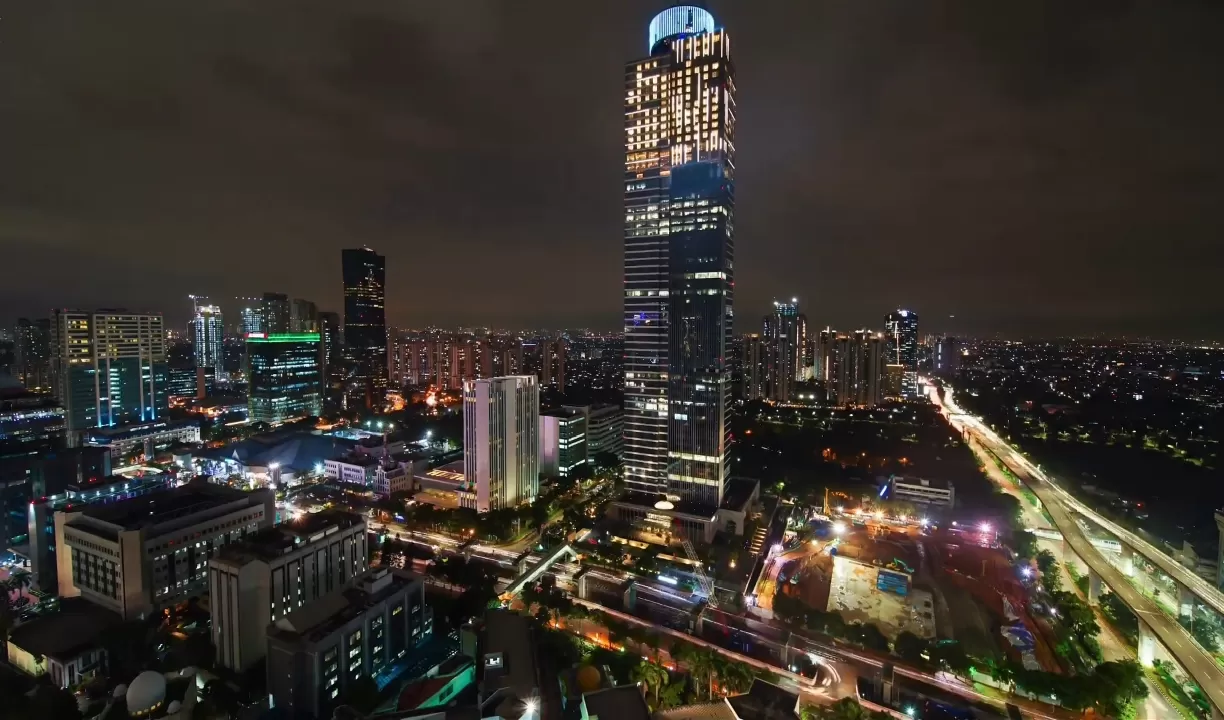
Jakarta — Jakarta’s tourism landscape is a complex blend of heritage, modernity, and urban contradictions. The city’s top 10 destinations, ranging from historic mosques to contemporary shopping centers, reveal both its cultural richness and the challenges of urban management.
At the heart of the list is Masjid Istiqlal, Southeast Asia’s largest mosque, symbolizing Indonesia’s religious diversity and resilience. Directly across stands the Jakarta Cathedral, a juxtaposition that underscores the city’s pluralism yet also highlights the delicate balance of interfaith coexistence.
Kota Tua (Old Town) offers colonial architecture and museums, but investigative reports show persistent issues of preservation and commercialization. While tourists flock to Fatahillah Square, conservationists warn that unchecked development risks eroding authenticity.
Modern attractions like Ancol Dreamland and Dunia Fantasi (Dufan) showcase Jakarta’s ambition to provide world‑class entertainment. Yet, analysts note that infrastructure strain and environmental concerns, particularly coastal erosion, cast shadows over their sustainability.
Destinations such as Taman Mini Indonesia Indah (TMII) and Setu Babakan Betawi Cultural Village highlight efforts to preserve national and local identity. However, critics argue that these sites often struggle to balance genuine cultural education with commercial spectacle.
Ultimately, Jakarta’s top 10 destinations are more than tourist spots. They are investigative windows into how a megacity negotiates heritage, identity, and modernization. For policymakers and citizens alike, the challenge is ensuring that tourism development strengthens cultural roots while addressing urban realities.