

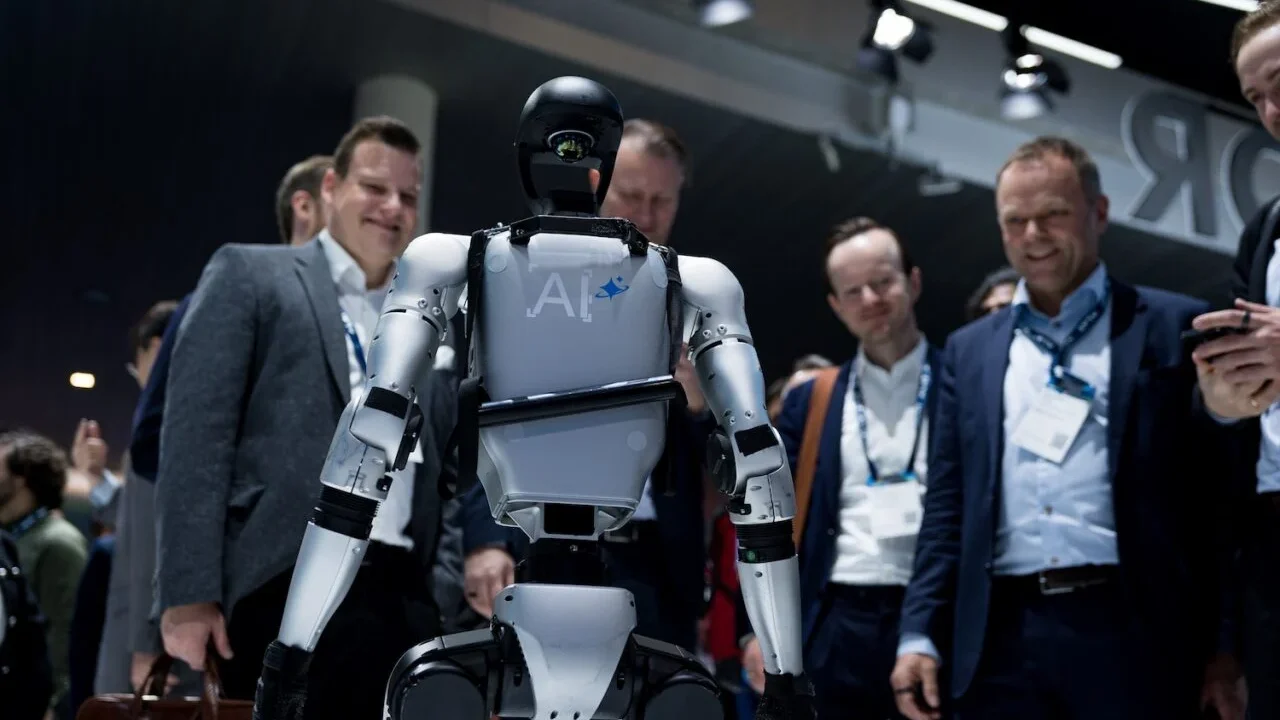
Beijing — The development of humanoid robots in recent years has captured global attention. From research laboratories to international exhibition stages, this technology is seen as a symbol of a future that is drawing ever closer. However, behind this enthusiasm, real concerns have also emerged—especially in China, one of the countries with the largest investments in robotics.
China views this trend as a double-edged sword. On one hand, humanoid robots promise efficiency, productivity, and new economic opportunities. On the other hand, rapid adoption without strict regulation has the potential to create social problems, such as the displacement of human labor and increasing economic uncertainty.
From a political perspective, the hype surrounding humanoid robots presents a dilemma for governments. How can innovation be encouraged without losing control over social stability? This question becomes increasingly relevant as the public begins to scrutinize the impact of technology on everyday life, from employment to public security.
Observers emphasize that China’s concerns are not excessive. History shows that every technological revolution brings major consequences. Humanoid robots, with their human-like capabilities, have the potential to transform how we work, interact, and even redefine the concept of productivity.
Beyond economic and political aspects, security issues are also in the spotlight. The popularity of humanoid robots could open the door to misuse, whether in the form of data manipulation or physical threats. Without clear regulations, these risks could evolve into serious problems that undermine public trust in technology.
Nevertheless, it cannot be denied that humanoid robots also offer significant opportunities. With the integration of artificial intelligence, advanced sensors, and energy-efficient systems, this technology can support sectors ranging from healthcare and education to public services. The challenge lies in ensuring that these benefits are distributed evenly without creating new forms of inequality.