





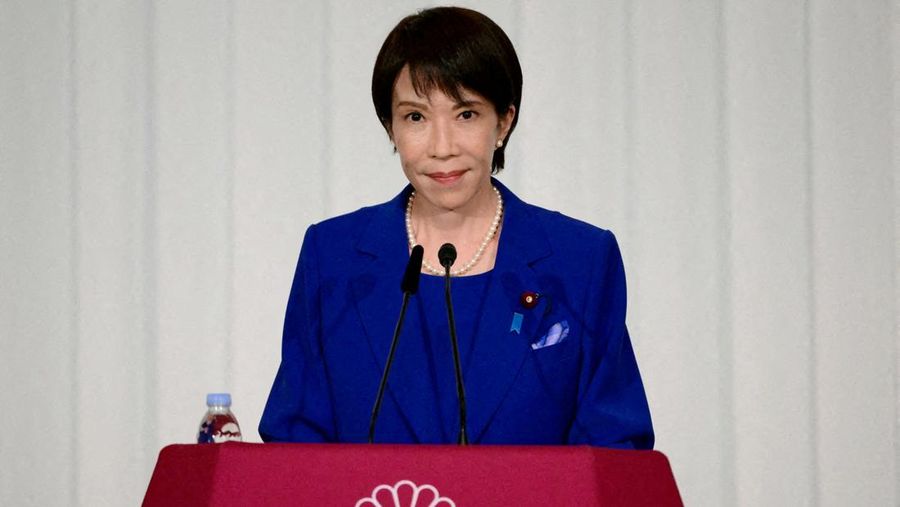
Tokyo — Japan has made history by electing Sanae Takaichi as its first female prime minister, a landmark moment in the country’s political landscape. Takaichi, 64, leader of the ruling Liberal Democratic Party (LDP), secured 237 votes in the Lower House, surpassing the majority threshold, and replaced outgoing Prime Minister Shigeru Ishiba.
Her election ended a three‑month political vacuum following the LDP’s poor performance in the July parliamentary elections, which led to Ishiba’s resignation. Takaichi’s rise was made possible after the LDP struck a coalition deal with a new partner, ensuring enough parliamentary support to form a government.
Political Profile
Takaichi is widely described as an ultraconservative politician, known for her strong stances on defense, constitutional revision, and traditional values. She has long cited former British Prime Minister Margaret Thatcher as her political inspiration, praising her blend of “strength and womanly warmth”.
Domestic Challenges
Her immediate tasks include restoring public confidence in the LDP, stabilizing the economy after months of political turbulence, and addressing demographic pressures such as Japan’s aging population. Analysts note that her leadership style will be tested in balancing conservative policies with the need for broader public support.
Regional and Global Implications
Takaichi’s premiership is expected to influence Japan’s foreign policy posture, particularly in relation to China, the United States, and regional security. Observers suggest she may pursue a more assertive defense strategy, aligning closely with Washington while maintaining a cautious stance toward Beijing.
Symbolic Significance
Beyond policy, her election carries symbolic weight. Japan, often criticized for its slow progress on gender equality, now joins the ranks of nations led by female heads of government. While some caution against overstating the feminist dimension—given Takaichi’s conservative platform—the milestone remains historic in a society where women remain underrepresented in politics.
Looking Ahead
Takaichi herself acknowledged the challenges ahead, stating after her election that “the tough work starts here.” Her ability to navigate coalition politics, manage domestic reforms, and project stability abroad will define not only her legacy but also Japan’s trajectory in the coming years.