
Cairo — The Grand Egyptian Museum is experiencing record visitor numbers in the weeks following its official opening, prompting administrators to introduce timed ticketing and mandatory online purchases to manage surging crowds. The museum near the Giza pyramids opened on November 1 in a high‑profile ceremony attended by world leaders and international media, catalyzing domestic and global interest.
To control visitor flows, tickets are now restricted to specific time slots, and from early December visitors will be required to buy tickets online ahead of time. Officials say these measures make it easier to regulate capacity throughout the day as demand has exceeded expectations since launch.
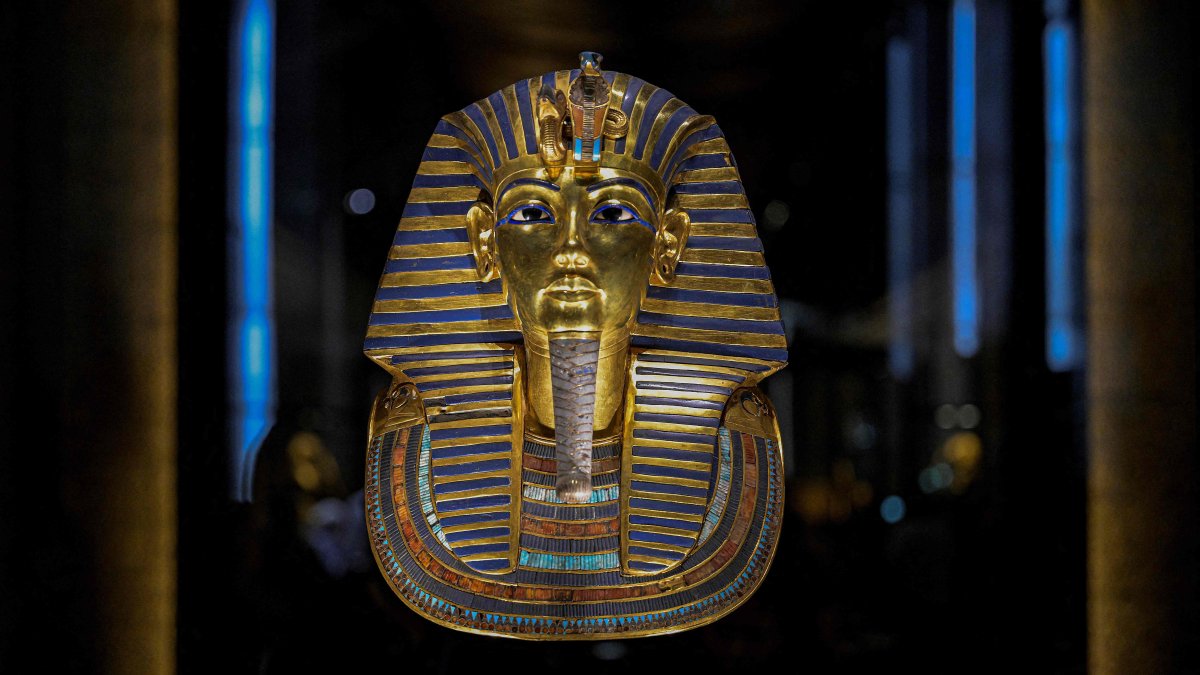
Average daily attendance is around 19,000 people, driven by the museum’s headline attractions including treasures from Tutankhamun’s tomb and King Khufu’s 42‑meter solar boat. Local interest has surged alongside global tourism, with Egyptian media reporting that coverage of the opening sparked renewed engagement with national history.
If current volumes persist, the Grand Egyptian Museum could rank among the world’s most visited museums, trailing only the Louvre and China’s National Museum based on last year’s averages. This early momentum positions the institution as a flagship for cultural diplomacy and tourism revenue within the broader Middle East museum ecosystem.
Operationally, the pivot to timed entries and online ticketing aligns with global best practices adopted by high‑traffic museums to reduce congestion and improve visitor experience. The approach balances access with preservation needs, especially for sensitive artifacts, while smoothing peak‑hour demand.
Strategically, Egypt’s success with the GEM underscores how national heritage can be leveraged for soft power, employment, and urban regeneration around Giza’s cultural corridor. Sustaining quality at high volumes will depend on staffing, queue management, and digital capacity, but the early policy response suggests an institution adapting quickly to international standards.