




Momin Tomanussa Receives Indonesia Achievement Award 2026 | South Buru Educational Leadership
Momin Tomanussa, S.Pd., M.Pd., Head of the South Buru Regency Education Office, receives Anugerah Prestasi Indonesia 2026 in Jakarta, highlighting educational leadership, institutional reputation, and opportunities for regional collaboration.
From Eastern Indonesia to a National Recognition Platform
JAKARTA, INDONESIA — Leadership in education is often measured through its impact on communities rather than its visibility beyond regional boundaries. Yet recognition at the national level can provide an important opportunity to highlight the work of public officials serving areas outside major metropolitan centers.
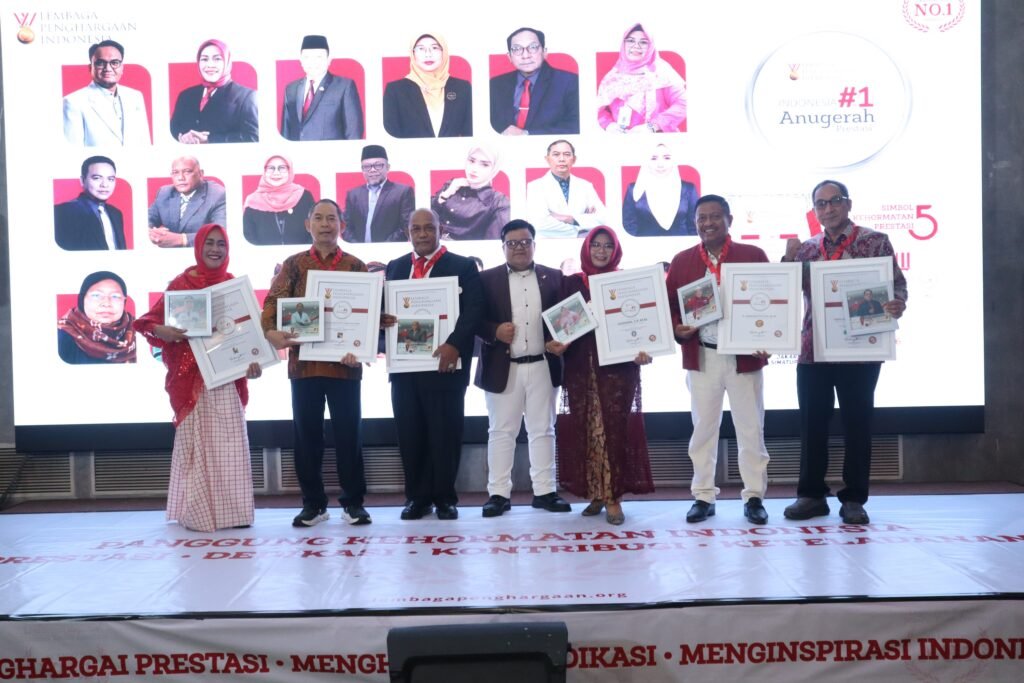
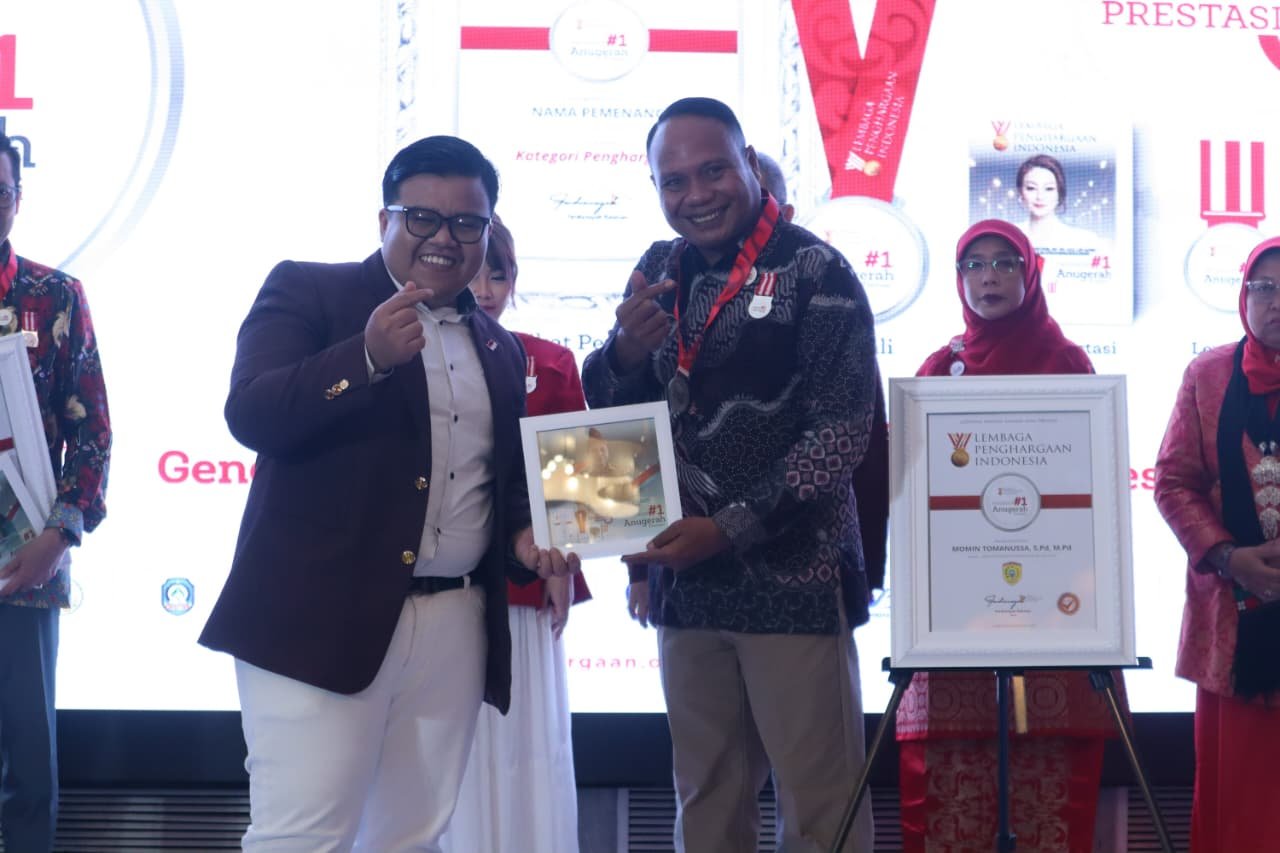
For Momin Tomanussa, S.Pd., M.Pd., Head of the Education Office of South Buru Regency in Maluku Province, Indonesia, that opportunity came through Anugerah Prestasi Indonesia 2026, also known as the Indonesia Achievement Award.
The recognition was conferred through a program organized by Lembaga Penghargaan Indonesia (LPI) under the leadership of Ferdiansyah Rahman, with the award ceremony scheduled for Saturday, October 24, 2026, at Mercure Simatupang Hotel in Jakarta.
The occasion brought attention to the professional responsibilities of an education leader working in eastern Indonesia, where geographical conditions and the distribution of communities create distinctive challenges for public service delivery.
Beyond the recognition itself, Momin’s professional role offers a perspective on how regional educational institutions can strengthen their visibility, administrative capacity, and potential for future collaboration.
Educational Leadership in a Geographically Diverse Region
South Buru Regency is located in Maluku Province, a part of Indonesia known for its island geography and dispersed communities.
For education administrators, geographical conditions influence the practical delivery of services.
Schools may experience different levels of accessibility, infrastructure availability, and administrative support depending on their location.
This creates a need for education policies that respond to local conditions rather than relying exclusively on standardized implementation methods.
As Head of the Education Office, Momin Tomanussa operates within a public administration environment where educational planning must consider the needs of students, teachers, school administrators, and communities.
His academic qualifications, including a Bachelor of Education and Master of Education, provide a professional foundation relevant to his responsibilities.
However, effective educational leadership requires more than academic preparation. It also depends on institutional coordination, sound decision-making, and the capacity to translate policy into practical improvements.
Strengthening Institutional Credibility Through Field Engagement
An important aspect of educational administration is maintaining direct engagement with the institutions responsible for delivering learning services.
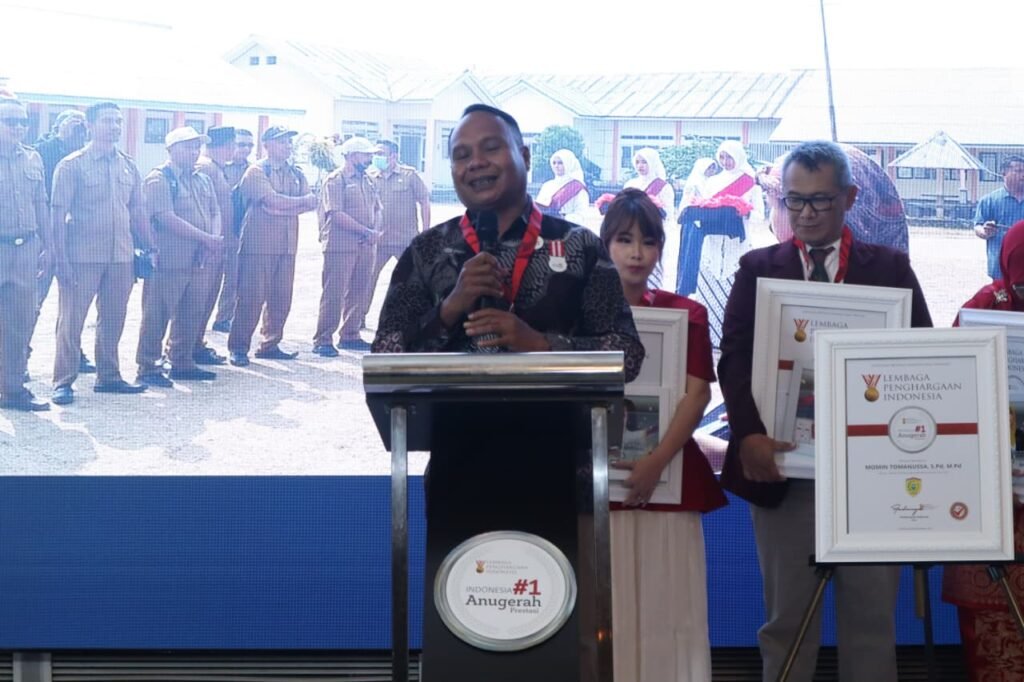
In September 2026, local reporting documented school supervision activities involving Momin Tomanussa and members of the South Buru education administration in Waesama and Ambalau districts.
These activities involved relevant education personnel and focused on reviewing conditions within educational institutions.
School supervision can play an important role in strengthening institutional accountability.
It provides opportunities for administrators to understand operational challenges, assess program implementation, and identify areas requiring further support.
From a strategic management perspective, field engagement also contributes to more informed decision-making.
Policies designed without sufficient knowledge of school conditions may struggle to address actual needs.
For regional education offices, maintaining communication with school leaders and supervisory personnel is therefore essential.
The effectiveness of such activities ultimately depends on appropriate follow-up and measurable improvements, rather than the supervisory visits alone.
Protecting Educational Access as a Leadership Responsibility
Public sector reputation is closely connected to the way institutions respond when essential services are disrupted.
In August 2026, Momin Tomanussa was reported to have expressed concern over an incident involving the obstruction of access to a school.
The situation raised questions about the potential impact on teaching and learning activities.
According to local reporting, Momin emphasized the importance of resolving disputes through appropriate procedures without compromising students’ access to education.
The response highlights a principle relevant to education systems worldwide: children’s learning opportunities should remain a priority when administrative or community disagreements arise.
Maintaining access to education requires coordination among public authorities, schools, families, and other stakeholders.
For regional leaders, the ability to respond to such situations is part of the broader responsibility to protect continuity in public services.
Professional Reputation and Public Sector Leadership
International professional visibility is not limited to leaders of large corporations or national institutions.
Regional government officials can also contribute valuable perspectives to discussions about governance, education, and community development.
In education, professional credibility is strengthened through institutional responsibility, transparent communication, and demonstrable service outcomes.
Recognition platforms may help introduce regional leaders to wider audiences, but reputation must be supported by reliable information about their work.
For Momin Tomanussa, Anugerah Prestasi Indonesia 2026 provides a documented moment of professional recognition within Indonesia.
It does not, by itself, establish an international ranking, foreign government endorsement, or verified recognition by a multilateral institution.
Nevertheless, the visibility associated with a national award can create opportunities to communicate regional educational challenges to broader professional audiences.
Opportunities for Educational Collaboration
Educational development increasingly benefits from the exchange of knowledge and professional experience.
Across different countries, education authorities face common challenges involving teacher development, school management, digital transformation, and equitable access to learning.
For regional education institutions such as the South Buru Education Office, potential collaboration may include professional training, knowledge-sharing programs, educational research, and institutional capacity development.
Partnerships with universities, education specialists, training institutions, and relevant public organizations can offer opportunities to explore effective approaches to local challenges.
Such initiatives require appropriate authorization, clear objectives, and careful consideration of institutional resources.
No specific international partnership involving Momin Tomanussa or the South Buru Education Office is asserted here.
Rather, collaboration represents a potential strategic direction for education institutions seeking to strengthen professional capabilities and learn from relevant experiences elsewhere.
Digital Transformation and International Knowledge Exchange
Technology has become an important component of education management worldwide.
Digital school information systems, electronic reporting, and communication platforms can help improve administrative efficiency.
For regions with geographically dispersed schools, appropriate digital tools may support coordination and information sharing.
However, digital transformation must account for differences in infrastructure, connectivity, and staff readiness.
International knowledge exchange can be useful in identifying practical approaches that have been implemented in comparable environments.
Island communities and remote regions in different countries often face similar logistical constraints.
By examining relevant experiences, education authorities may identify approaches that can be adapted to local circumstances.
For South Buru, any digital development strategy would need to reflect actual infrastructure conditions and the needs of schools across the regency.
Positioning South Buru Within Wider Educational Development Discussions
Regional education systems are important contributors to national human capital development.
Their work influences the learning opportunities available to children and the future capabilities of local communities.
South Buru’s educational challenges are relevant to broader international discussions about inclusive development, particularly those concerning remote communities and geographical disparities.
The United Nations Sustainable Development Goal 4 emphasizes inclusive and equitable quality education and lifelong learning opportunities.
Local education authorities have an important role in supporting progress toward these objectives through their everyday administrative responsibilities.
For Momin Tomanussa, the connection between local public service and wider educational development priorities provides a meaningful context for his professional role.
However, contributions to these objectives must ultimately be evaluated through evidence of educational access, service quality, and learning outcomes.
Recognition as a Platform for Continued Institutional Development
The presentation of Anugerah Prestasi Indonesia 2026 provides a moment to acknowledge Momin Tomanussa’s professional responsibilities in the education sector.
The recognition may also contribute to the visibility of South Buru Regency among audiences interested in public leadership and regional development.
For educational institutions, however, the most important value of recognition lies in the opportunities it creates for reflection and improvement.
Sustained progress requires effective planning, reliable supervision, professional development, and collaboration among stakeholders.
It also requires transparent evaluation of whether educational programs are producing meaningful results.
Public recognition can support institutional communication, but long-term credibility depends on performance.
A Regional Leader in a Broader Conversation
Momin Tomanussa’s professional journey illustrates the importance of educational leadership beyond Indonesia’s major urban centers.
His responsibilities in South Buru place him within a sector where public administration directly influences the opportunities available to younger generations.
The school supervision activities reported in Waesama and Ambalau, together with his attention to protecting school access, provide examples of issues relevant to local educational governance.
Through Anugerah Prestasi Indonesia 2026, these responsibilities gain a wider platform for recognition.
For South Buru, the future priority remains strengthening educational services and ensuring that institutions are equipped to respond to community needs.
For the broader international audience, the story demonstrates why regional education leadership deserves attention in discussions about inclusive development.
The lasting reputation of an education leader is built not simply through awards or international visibility, but through institutional integrity, meaningful collaboration, and a sustained commitment to improving learning opportunities.
As education systems continue to evolve, the work of regional administrators such as Momin Tomanussa remains an important part of the effort to connect local public service with wider development ambitions.